







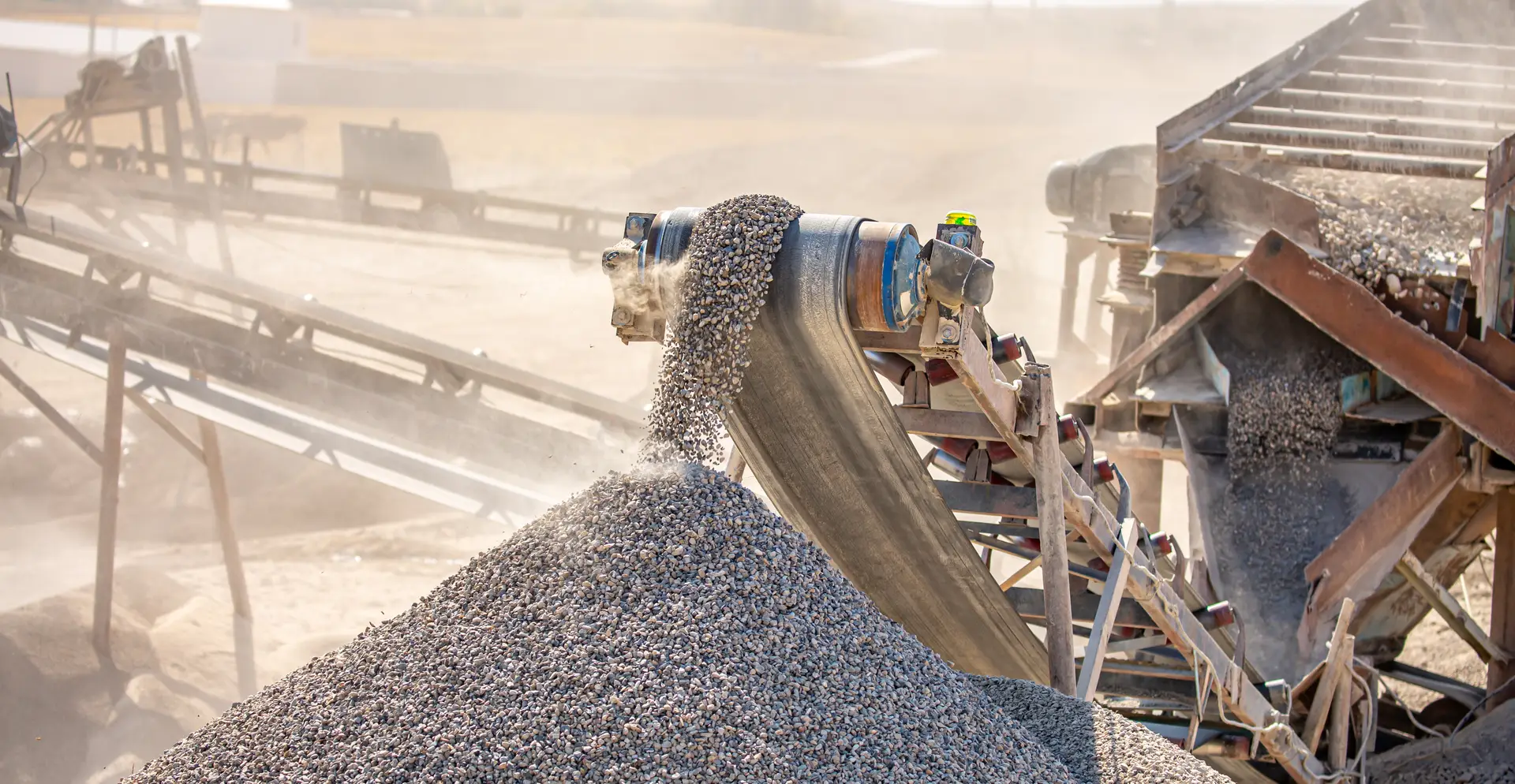
Mines, quarries, cement & concrete
Make your equipment more reliable in the most demanding environments
RED combines predictive maintenance and energy optimization through electrical signature analysis (ESA). Installed in the electrical cabinet, a single sensor continuously monitors your rotating machines, away from dust, vibration and harsh production conditions.
Operational constraints in the mineral industry
Critical equipment under heavy stress

Heavy, harsh environments
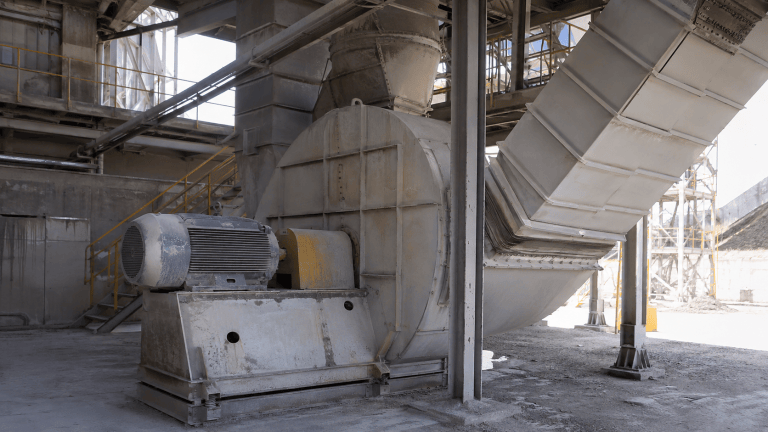
Dust, heat, moisture, splashing and vibration subject equipment to particularly harsh conditions, which can be difficult for instruments installed directly on the machines.

Heavily stressed equipment
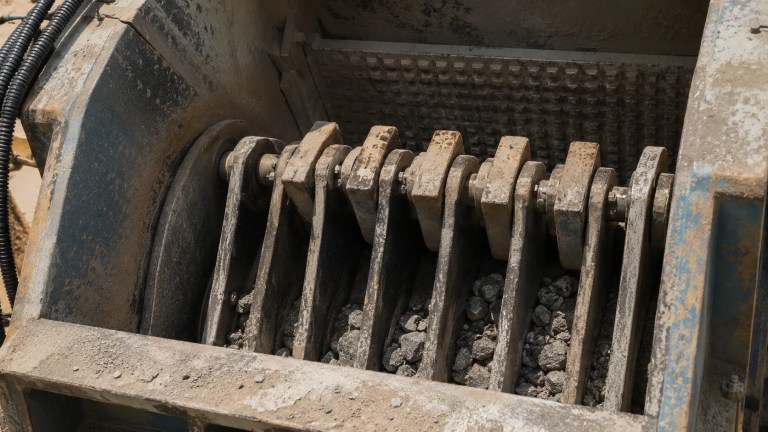
Machines often work under heavy load, with regular speed variations and abrasive materials that accelerate wear and put heavy stress on mechanical components.
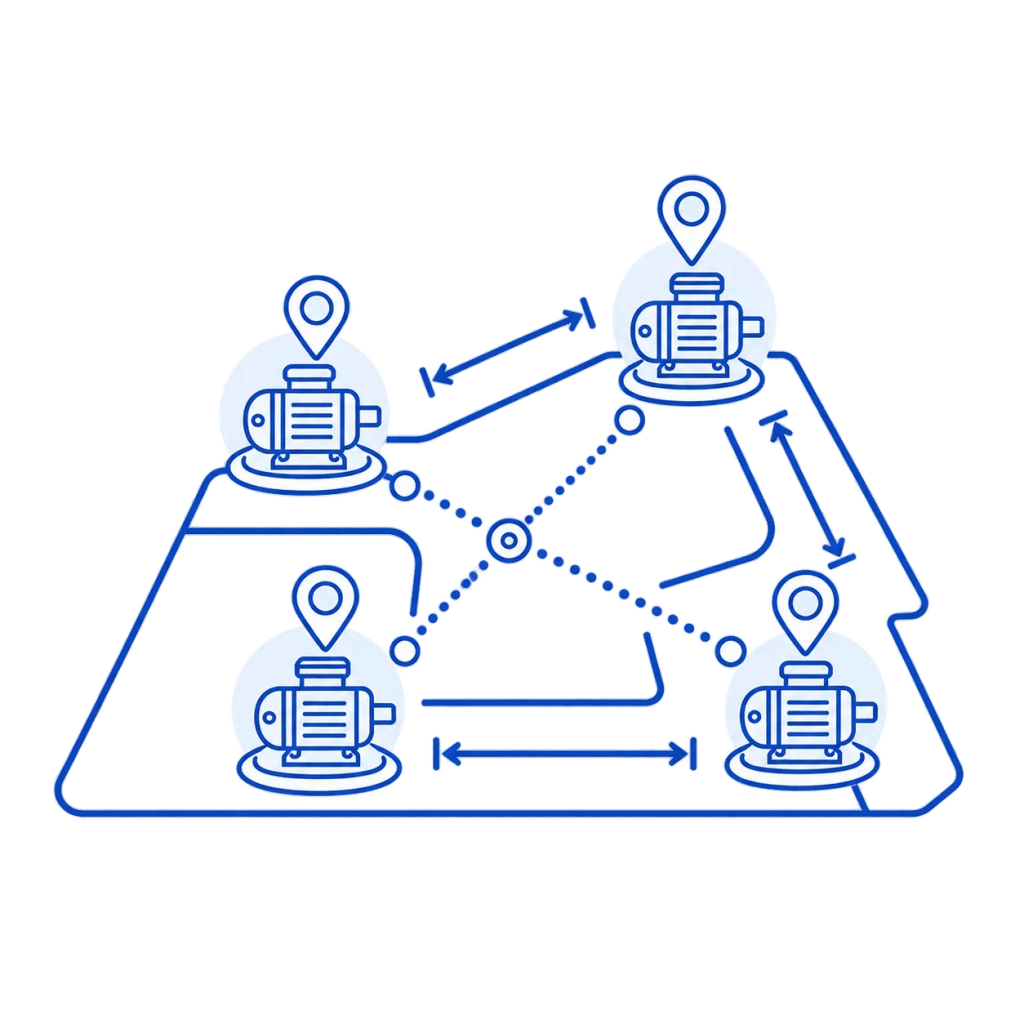
Large sites and difficult access
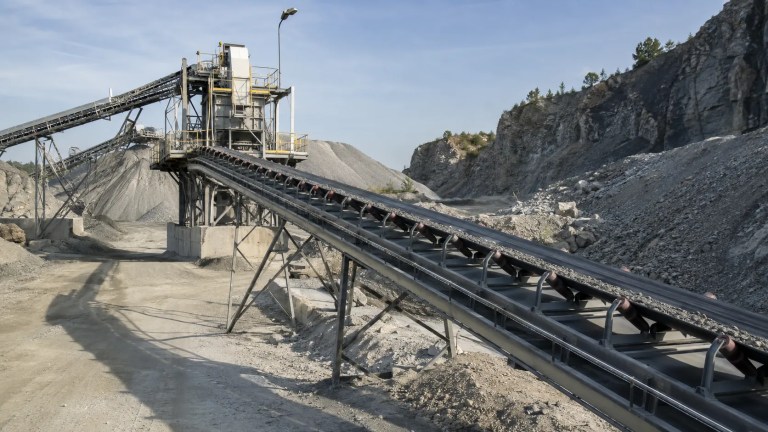
Equipment may be spread over vast areas, located at height, at the bottom of a quarry or even underground, which complicates inspections, regular measurements and interventions.
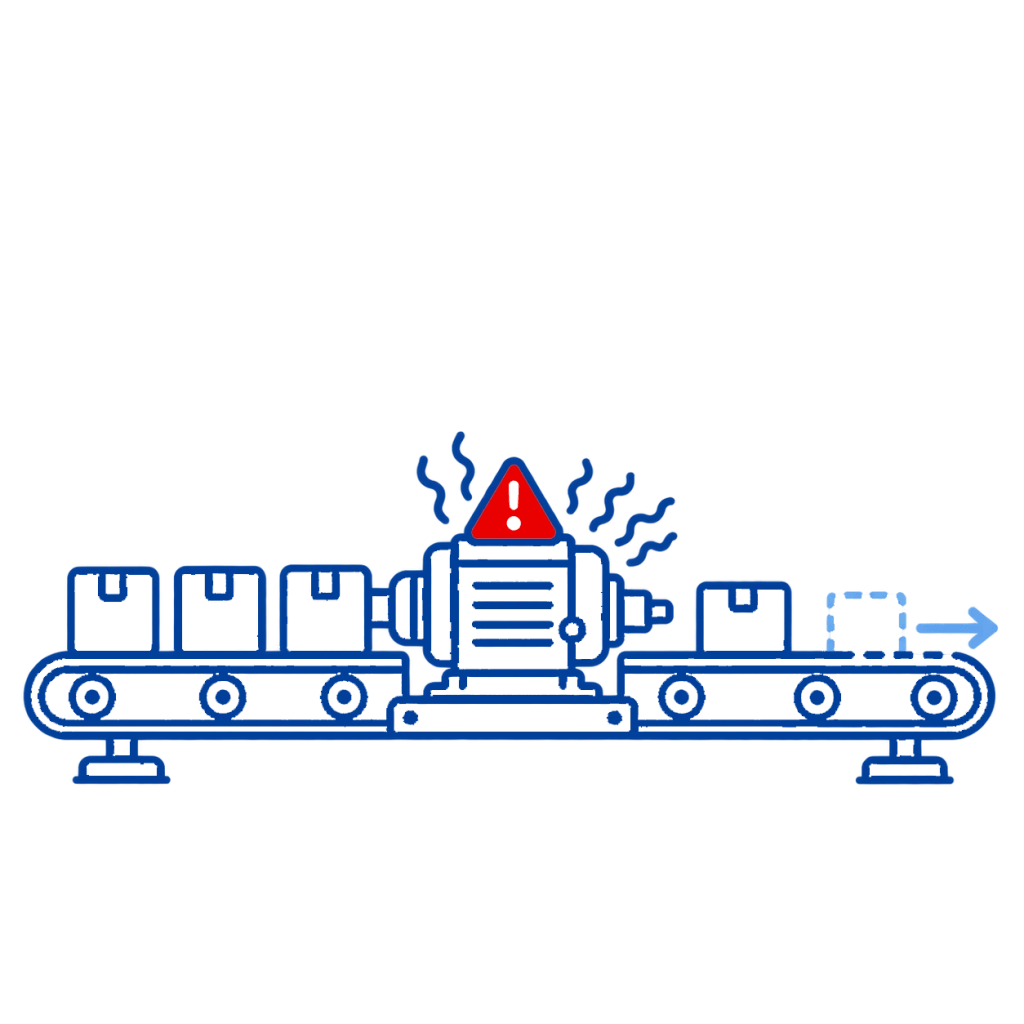
Production continuity & energy
Drift in a critical piece of equipment is not just a risk of failure: it can also reduce throughput, degrade process performance and increase energy consumption.
RED in the mineral industry
Monitoring designed for your field constraints
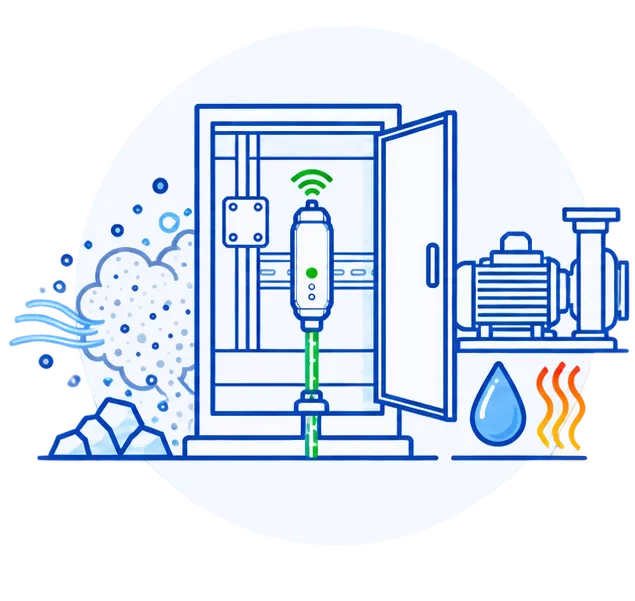
Sensor outside the harsh zone
RED is installed in the electrical cabinet, away from the production area and protected from dust, shocks and other stresses.

A single sensor per machine
A single measurement point to monitor the motor and the driven load, keeping instrumentation to a minimum for a large machine fleet.
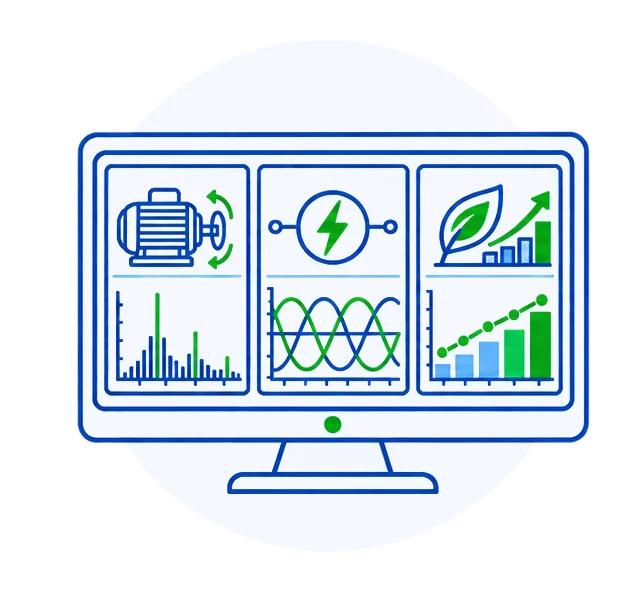
Mechanical, electrical and energy overview
RED combines these 3 types of data to provide a more complete and reliable picture of equipment health and performance.
AT EVERY STAGE OF THE PROCESS
What equipment can you monitor with RED?
Essential for dewatering, sludge transfer and various process circuits, pumps often operate in harsh conditions and sometimes far from easily accessible areas.
RED can in particular detect or track:
Cavitation and dry running
Misalignment and anchoring or coupling faults
Deviations in load or hydraulic operation
Blade damage or wear
Electrical faults and abnormal changes in consumption